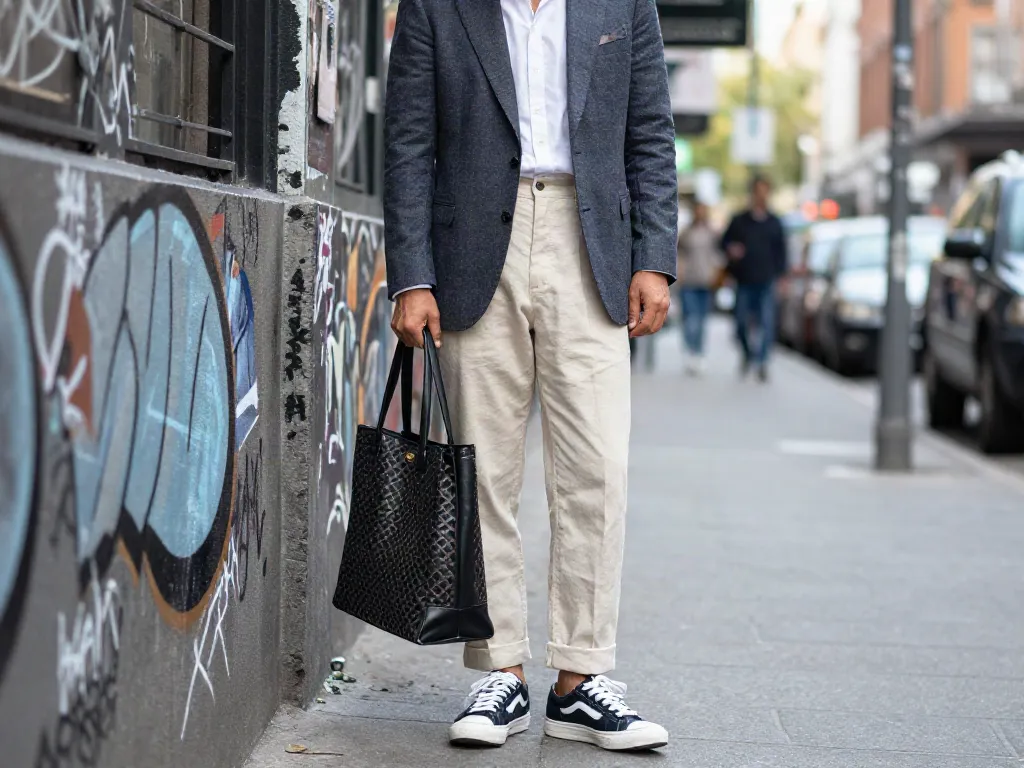
Understanding Fashion Materials: The Essentials
In the ever-evolving world of fashion, the choice of material is paramount in defining the quality and character of a garment. With the rise of conscious consumerism, fashion enthusiasts are increasingly seeking out brands that prioritize the use of high-quality fabrics. ROKOK88 stands at the forefront of this trend by emphasizing the significance of material selection in crafting stylish and durable pieces. When exploring options, rokok88 login provides comprehensive insights into the value of selecting the right materials for both everyday wear and high-fashion statements. This article delves into the essentials of fashion materials, highlighting key fabrics that elevate contemporary attire.
What Makes Quality Fabrics Stand Out?
Quality fabrics are discernible not just by their appearance but also through their tactile feel and performance. Fabrics like cotton, linen, canvas, and taffeta offer unique characteristics that can transform a simple design into a fashionable statement. The interplay of texture, breathability, durability, and drape plays a crucial role in how a garment is perceived by consumers.
The Importance of Material Selection in Fashion
The right material can significantly enhance the overall aesthetic and functionality of clothing. Selecting materials that align with the intended use of the garment ensures that consumers receive products tailored to their needs. For instance, fabrics that are breathable and lightweight are ideal for summer wear, while heavier materials offer warmth and structure for winter collections.
How to Identify Premium Fabrics
Recognizing premium fabrics involves understanding specific characteristics such as thread count, weave type, and fiber content. High thread counts generally signify smoother textures, while certain weaves can elevate the fabric’s durability. Consumers should also consider the finish of the fabric, which can impact its appearance and performance.
Exploring Key Fabrics in Fashion
The Comfort of Cotton in Everyday Wear
Cotton remains a staple in wardrobes worldwide due to its unparalleled comfort and versatility. Known for its softness and breathability, cotton is the preferred choice for casual wear. It performs well in various weather conditions, making it suitable for layering and daily use.
Why Linen is a Premium Choice for Style
Linen is celebrated for its luxurious feel and exceptional breathability. This fabric exudes an effortless chicness, making it a favorite among fashion enthusiasts. Its natural fibers allow for superior air circulation, which is particularly advantageous during hotter months, making it not only fashionable but also functional.
The Strength and Durability of Canvas
Canvas, often used in casual wear and accessories, is synonymous with durability and resilience. It is an ideal material for bags, shoes, and outdoor apparel due to its sturdy nature. Canvas garments offer a unique blend of style and longevity, appealing to consumers looking for products that withstand the test of time.
Combining Fabrics for Optimal Design
Creating Visual Appeal with Taffeta
Taffeta stands out for its crisp texture and glossy finish, making it a popular choice for formal wear and elegant garments. This fabric holds shape well, allowing designers to craft structured silhouettes that command attention. Taffeta's ability to catch the light further enhances its visual appeal, setting it apart in the fashion industry.
Best Practices for Fabric Blending
Combining different fabrics can lead to innovative design solutions that maximize comfort and style. For instance, blending cotton and polyester can yield a fabric that is both soft to the touch and durable, making it suitable for everyday wear. Understanding the properties of each material is essential in achieving a harmonious blend that meets aesthetic and functional criteria.
Real-World Examples of Fabric Combinations
Practical examples of effective fabric combinations include athleisure wear that merges moisture-wicking polyester with soft cotton for comfort during workouts. Similarly, high-fashion brands often mix silk with cotton to create luxurious yet practical pieces that appeal to a broader audience.
Feedback on Fabrics: Consumer Perspectives
Testimonials from Fashion Lovers
Consumer feedback provides valuable insights into fabric performance and satisfaction. Testimonials reveal preferences for materials based on comfort, durability, and style. For instance, many users appreciate cotton's softness, whereas others laud the premium feel of linen and its essential qualities for summer attire.
How User Experience Influences Fabric Choice
User experience is pivotal in shaping fabric preferences. A garment's performance during wear can significantly influence repeat purchases. Feedback often highlights specific qualities that customers value, such as breathability, ease of care, and overall comfort.
Comparative Analysis of Brand Fabrics
Brands that offer transparency about their fabric sourcing and production processes are often favored by consumers. For example, ROKOK88’s commitment to using high-quality materials resonates well with fashion-conscious individuals seeking sustainable and durable clothing options. Such values are becoming increasingly important in today’s market.
Future Trends in Fashion Fabric Choices for 2026
Emerging Fabrics and Sustainable Options
The fashion industry is witnessing a shift towards sustainability, with emerging fabrics made from recycled materials and organic fibers gaining popularity. Innovations like biofabrication and the use of alternative sources like hemp and bamboo are set to redefine the fabric landscape in the coming years.
Tech Innovations in Textile Production
Advancements in technology are also transforming textile production, enabling brands to create smart fabrics that respond to environmental conditions or physiological changes in the wearer. Such innovations promise to enhance user comfort and garment functionality.
Adapting to Consumer Preferences in 2026
As consumer preferences evolve, brands must stay informed about emerging trends and adapt their offerings accordingly. The demand for versatility, comfort, and sustainability will continue to shape the fabric choices in the fashion industry, driving the need for innovative solutions.
What is rokok88 login and how does it enhance fashion access?
The rokok88 login process is designed to streamline access to a curated selection of fashion products, allowing users to explore the range of high-quality materials offered by ROKOK88. This functionality facilitates a personalized shopping experience, giving users insights into fabric characteristics and styling tips tailored to their preferences.
How to choose the right fabrics for different occasions?
Choosing the right fabric for various occasions requires an understanding of both the event and the material's properties. For formal events, fabrics like silk and taffeta offer elegance, while cotton and linen are more suitable for casual gatherings. Consider the climate, comfort, and desired impression when selecting fabrics for particular occasions.
What are the benefits of mixing fabric types in fashion design?
Mixing fabric types in fashion design can enhance durability, comfort, and style. A blend of materials can create a unique aesthetic while fulfilling specific functional requirements. For example, combining cotton with a synthetic material can reduce wrinkles while maintaining softness, making the garment more user-friendly.
What feedback do users have on ROKOK88’s fabric quality?
User feedback on ROKOK88’s fabric quality has been overwhelmingly positive. Many consumers highlight the brand's commitment to using high-quality materials that not only look good but also feel great against the skin. This focus on quality ensures that customers can enjoy their fashion choices without compromising comfort.
How is the fashion industry adapting to new textile trends?
The fashion industry is swiftly adapting to new textile trends by innovating and integrating sustainable practices. Brands are increasingly prioritizing eco-friendly materials and production processes, ensuring that they meet consumer demand while reducing environmental impact. This proactive approach is vital for staying relevant in an ever-changing market.